Asian elephants can live into their late sixties, and in exceptional cases beyond seventy years. That’s a lifespan that rivals our own; and one that comes with many of the same challenges. Arthritis. Dental wear. Reduced mobility. Changes in digestion. The gradual slowing of a body that has worked hard for decades.
At Kulen Elephant Forest, several of the elephants in our care are elderly: some well into their fifties and sixties. Caring for them requires a different approach than caring for younger animals, one built on patience, observation, and a willingness to adapt to what each individual needs as they age.
The Challenge of Elephant Teeth
One of the most distinctive features of elephant aging is their dental biology. Unlike most mammals, elephants don’t have a fixed set of adult teeth. Instead, they cycle through six sets of molars over the course of their lifetime, with new teeth moving forward from the back of the jaw to replace worn ones; something like a slow-moving conveyor belt.
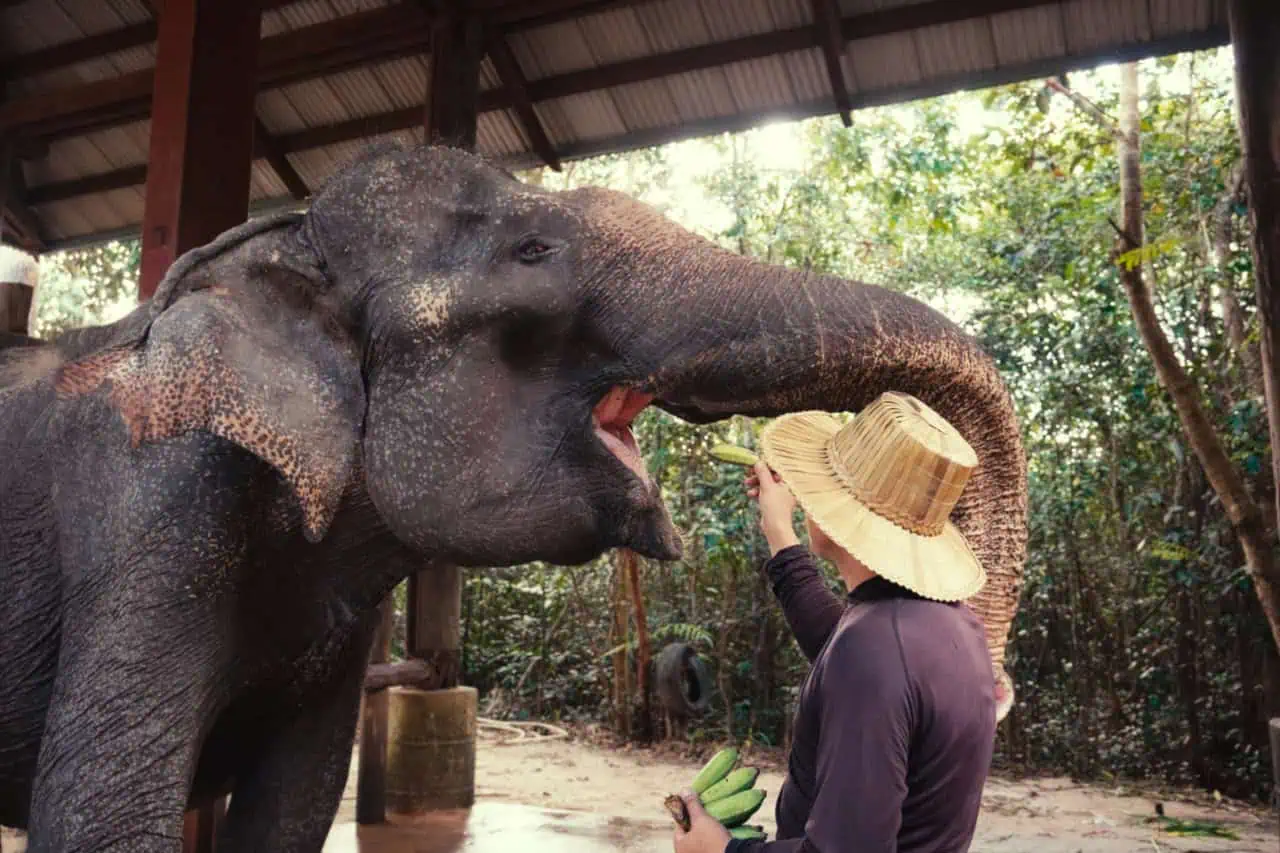
The sixth and final set typically arrives in an elephant’s fifties. When those last molars wear down, the elephant can no longer effectively chew the tough fibrous vegetation that makes up the bulk of their diet. In the wild, this is often what ultimately limits an elephant’s lifespan, they simply can no longer extract enough nutrition from available food.
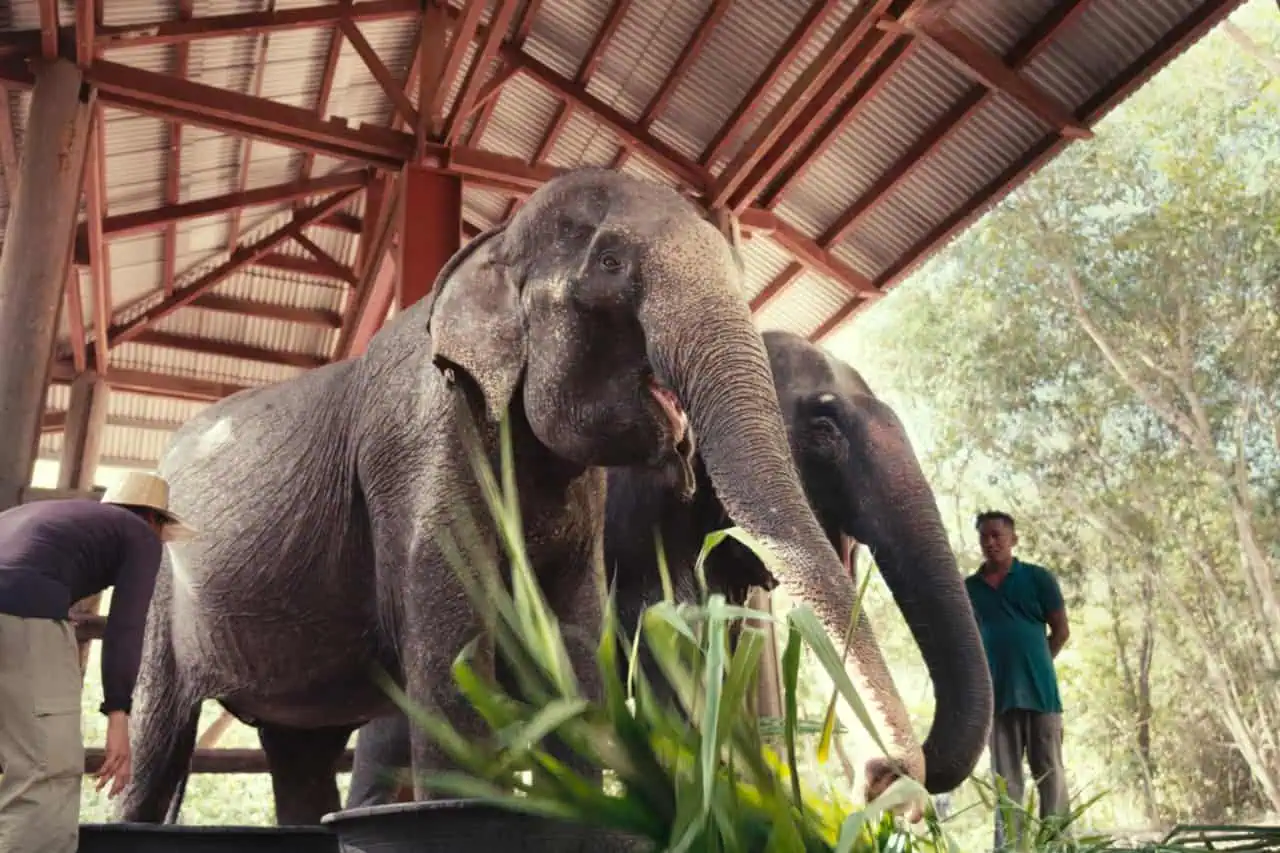
In a care setting, this is something we can actively manage. For elderly elephants with significant dental wear, we soften food, provide more easily digestible options, and pay close attention to body condition to ensure they’re maintaining weight. It requires daily attention and regular assessment, but it can meaningfully extend a comfortable, healthy life.
Joint Health and Mobility
Arthritis and joint disease are common in older elephants, particularly in animals who have spent years on hard surfaces a legacy, for many rescued working elephants, of years in the logging or tourism industries.
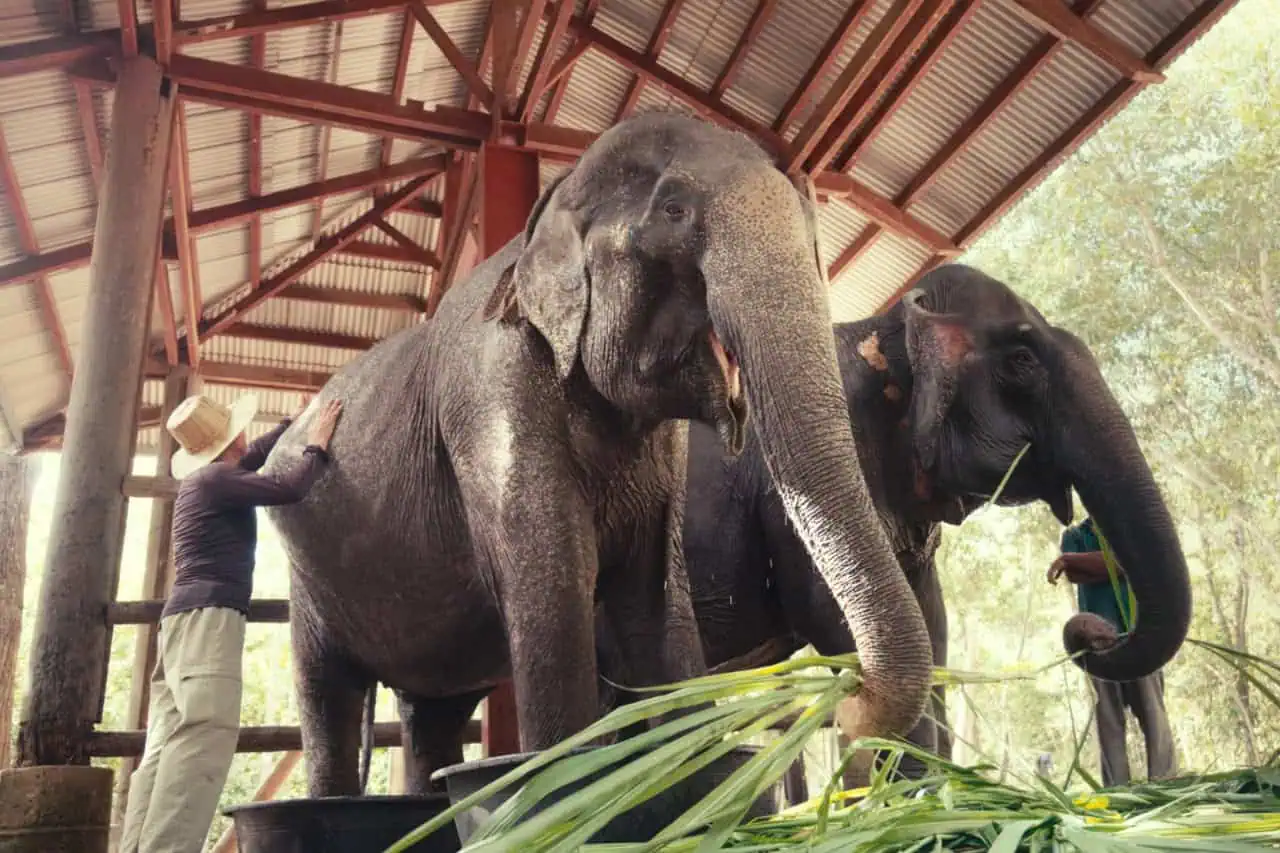
Managing joint health requires several things working together:
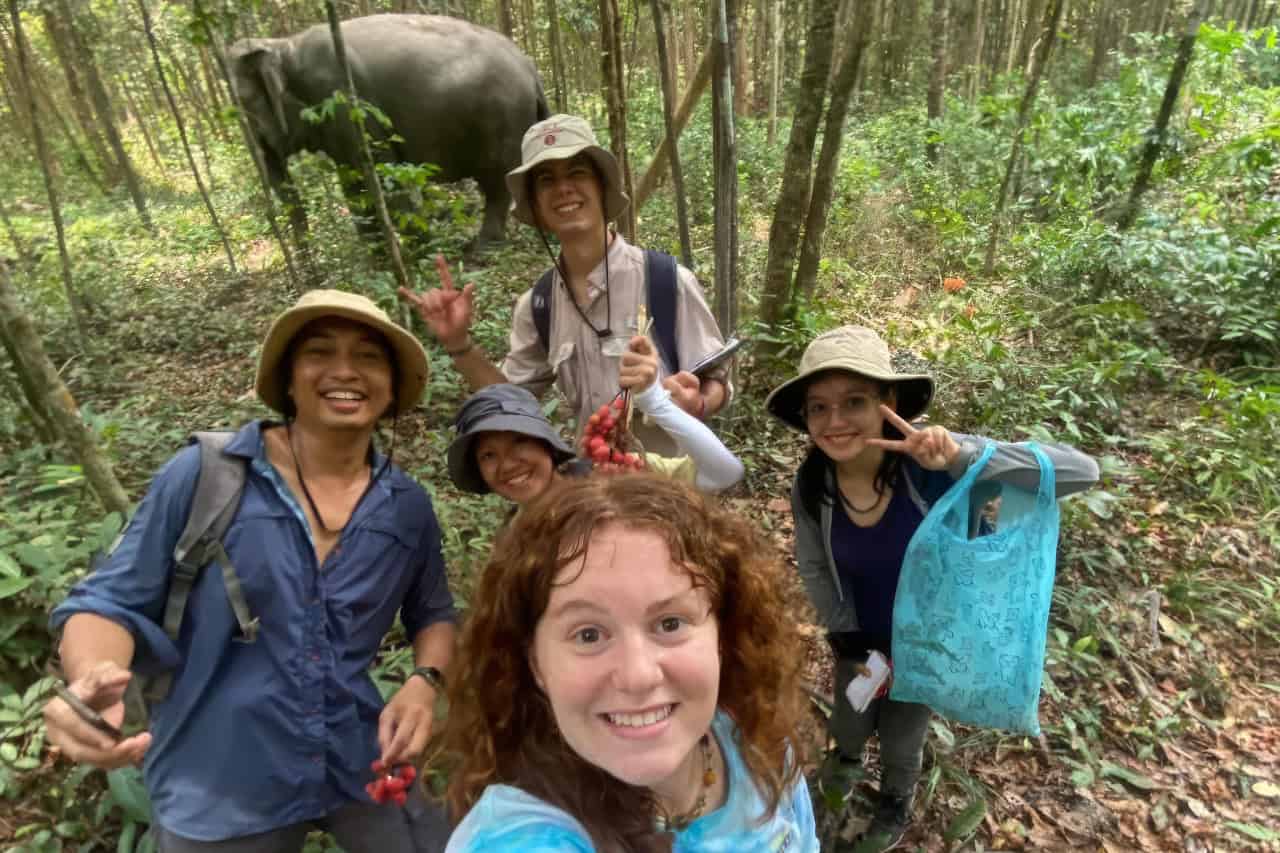
- Appropriate terrain: Soft, varied ground is far kinder to aging joints than concrete or compacted earth. At Kulen Elephant Forest, our elephants have access to forested and pondside environments where the ground naturally gives underfoot. Movement across uneven terrain also supports muscle maintenance and joint health in ways flat ground cannot.
- Freedom of movement: An elderly elephant who is confined will rapidly lose muscle condition and joint mobility. Our elephants are free to move, rest, and position themselves as their bodies require. An older elephant may choose to rest more frequently than a younger one; and that choice is theirs to make.
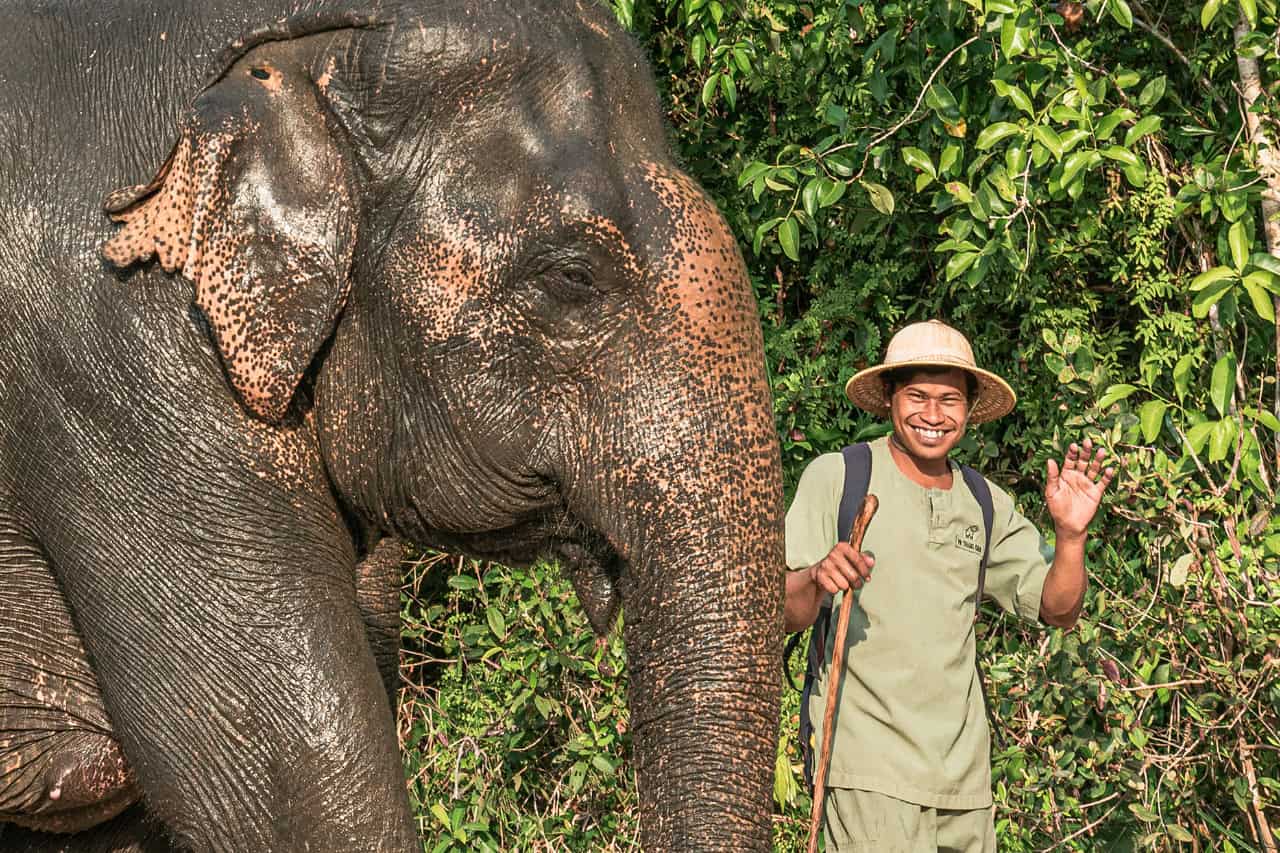
- Foot care: Elephant foot health is closely linked to overall wellbeing, and problems that go unaddressed can lead to chronic pain and reduced mobility. Our mahouts carry out regular foot inspections and care, working with veterinary guidance to identify and address issues early.
- Bathing and hydrotherapy: Water is a natural environment for elephants and has genuine therapeutic value for aging joints. Daily bathing in the river isn’t just enrichment; for our older elephants, it’s an important part of their physical care.
The Emotional Dimension of Aging
Elephants are deeply social animals with long memories and strong emotional lives. Elderly elephants often hold a particular status within a herd, they are repositories of experience and social knowledge, respected and deferred to by younger animals. The loss of that social role, or isolation from other elephants, can have real psychological consequences.
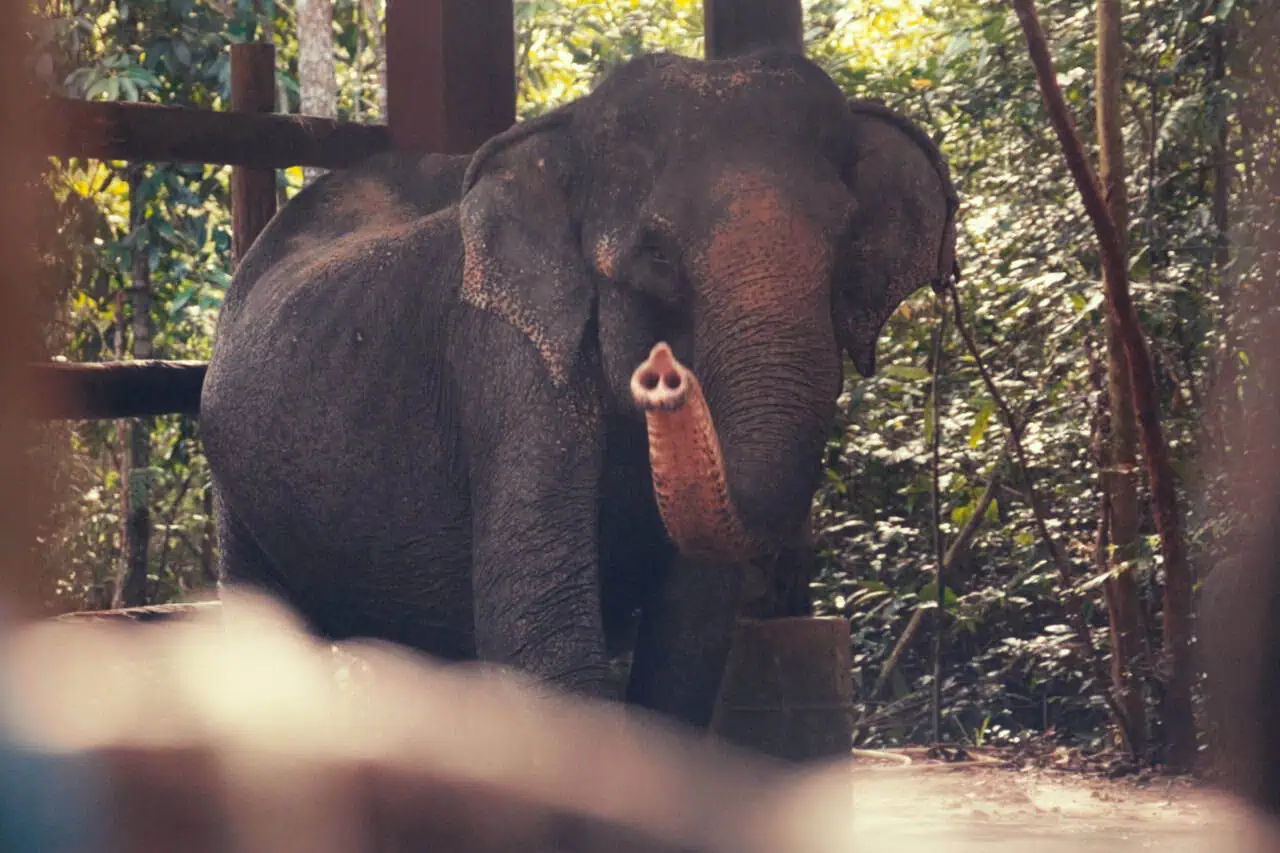
We’re attentive to the social wellbeing of our older elephants as much as their physical health. An elderly elephant who is withdrawn, disengaged, or showing signs of anxiety may need changes in her social environment as much as adjustments to her diet or care routine.
Equally, we’re honest about the limits of what we can do. Geriatric care for elephants, as for humans, is ultimately about quality of life, not just length of it. We work with veterinary professionals to ensure our elderly elephants are comfortable, engaged, and free from unnecessary pain. When an elephant is suffering in ways that cannot be alleviated, we take that seriously and make decisions in her interest, not ours.
What Visitors Often Notice
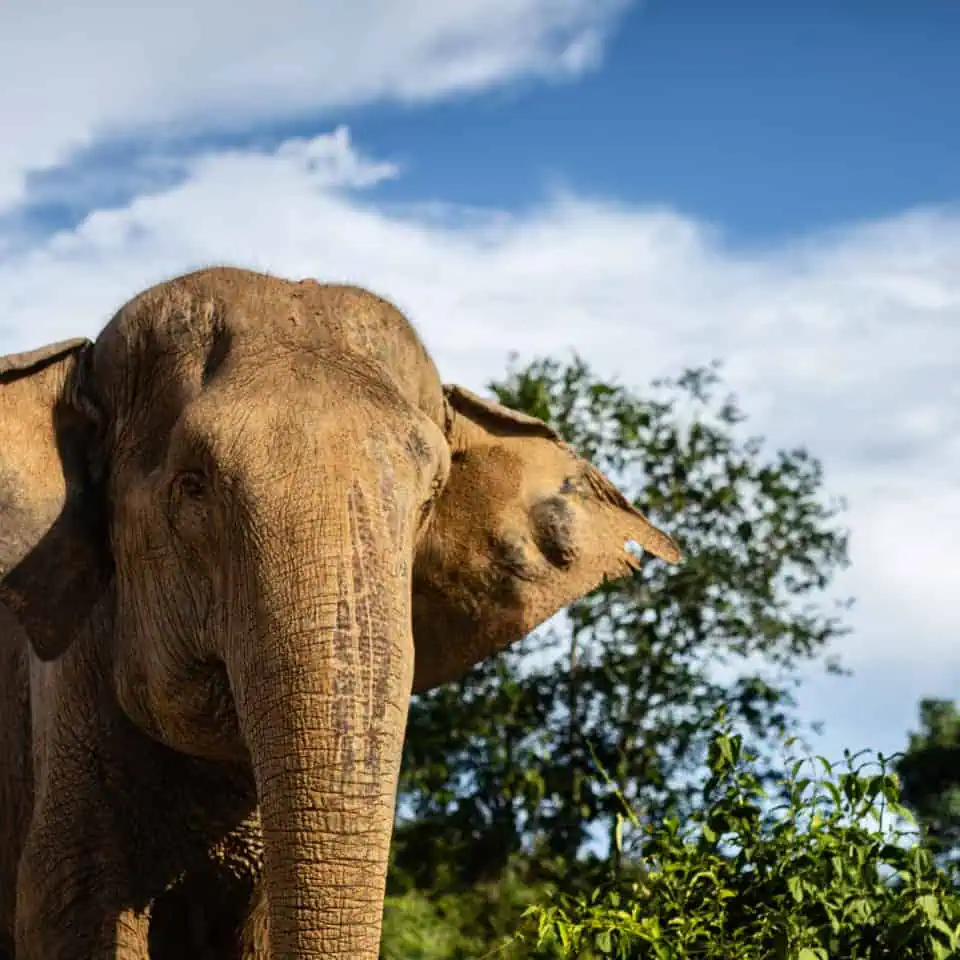
Guests who visit Kulen Elephant Forest sometimes comment on the visible age of some of the elephants in our care; the grey patches around the face and ears, the more deliberate pace of movement, the way an older elephant will find her preferred spot in the pond and settle into it with evident satisfaction.
There is something moving about spending time in the presence of an elderly elephant who has lived through what so many working Asian elephants have lived through and now has the level of monitoring that ensures their health is the priority.
Kulen Elephant Forest is an ethical elephant sanctuary in Siem Reap, Cambodia. We do not offer riding or performance shows. Our commitment is to the behaviour, health, and dignity of every elephant in our care. Plan your visit here.