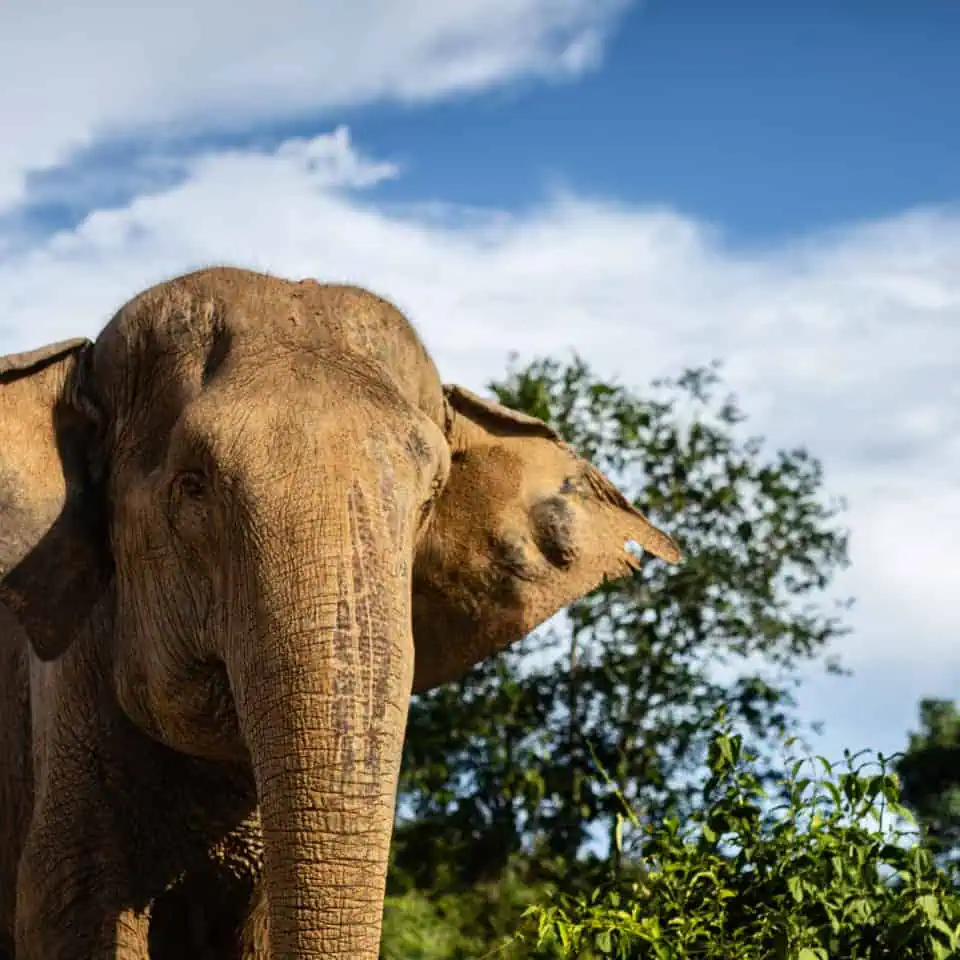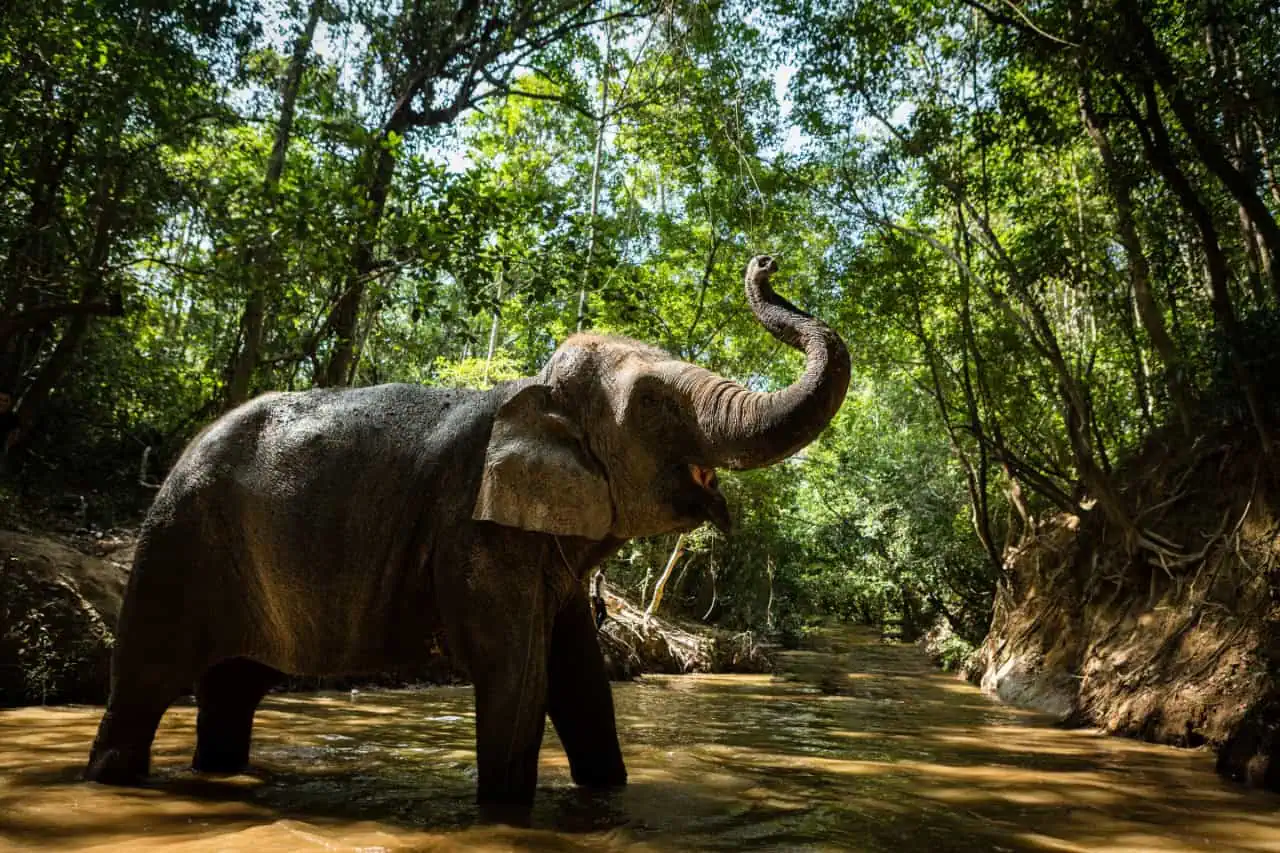
There is a behaviour that elephant researchers call zoo pharmacognosy: the instinctive or learned use of plants and minerals by animals to prevent or treat illness. It sounds like a niche academic concept, but for anyone who has spent time observing elephants closely, it describes something you might witness on an ordinary afternoon: an elephant going conspicuously out of its way to find and consume a particular plant, or digging into a clay bank and eating the soil with focused deliberateness.
Elephants, it turns out, have been running their own pharmacy for a very long time.
A Repertoire Built Over Millennia
Asian elephants live in some of the world’s most botanically rich environments, and over thousands of generations they have developed a sophisticated relationship with the plants around them. While much of the formal research on elephant pharmacopoeia has been conducted on African elephant populations, the principles, and many of the specific behaviours, apply equally to their Asian cousins.
Some of the most well-documented examples include:
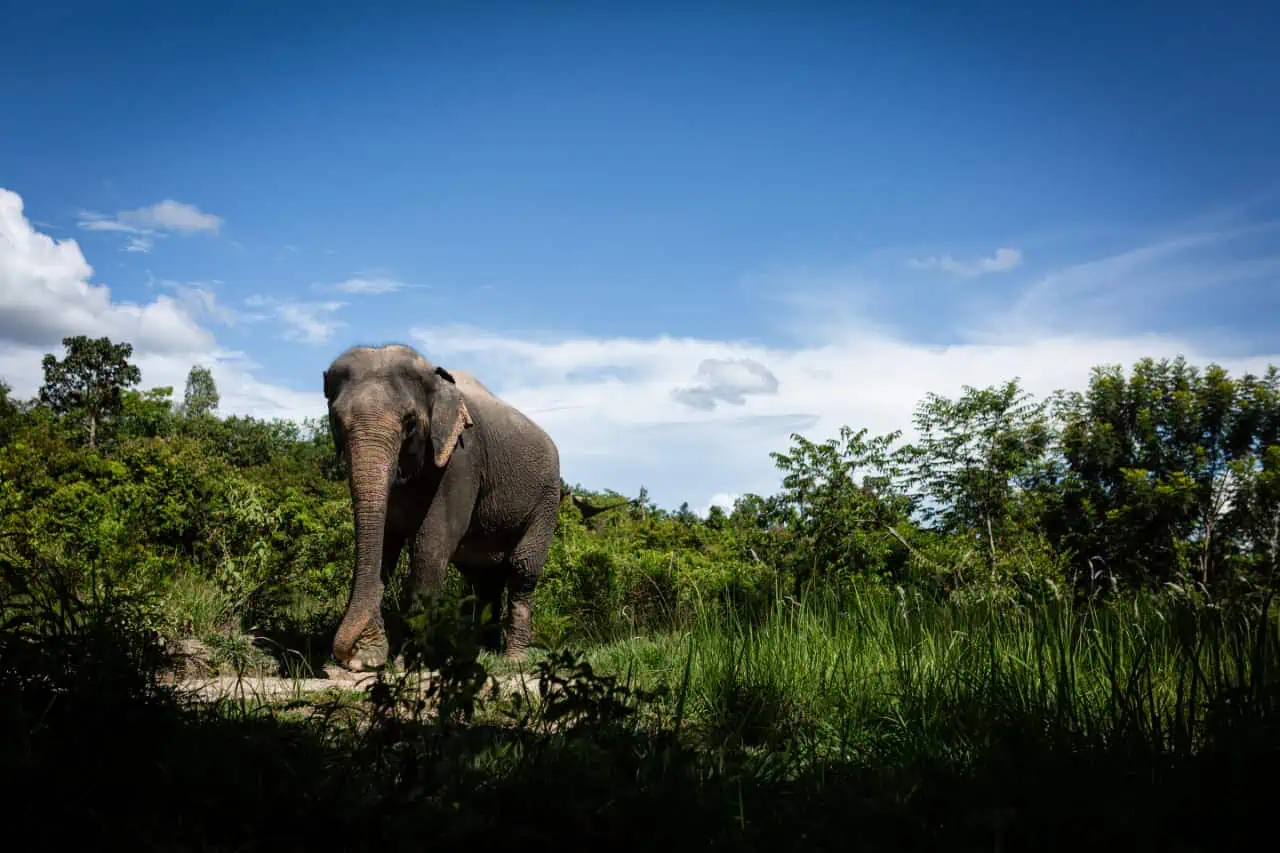
Geophagy eating earth for medicine
Elephants are well known for consuming mineral-rich soils and clays, a behaviour called geophagy. This isn’t random. Elephants actively seek out specific geological formations: often riverbanks, cave walls, or termite mounds; that are rich in sodium, calcium, and other minerals absent from their plant diet. In some cases, the clay consumed appears to have a buffering or detoxifying effect on the gut, similar to how kaolin clay has been used in human medicine.
Seeking out specific plants before or during illness
Observations from multiple field studies have noted that elephants will travel significant distances to find plants they don’t consume regularly, doing so particularly when they appear unwell. One famous case documented in Kenya involved a pregnant elephant who consumed large quantities of a plant from the Boraginaceae family a plant known locally to be used by human communities to induce labour. The elephant gave birth shortly after.
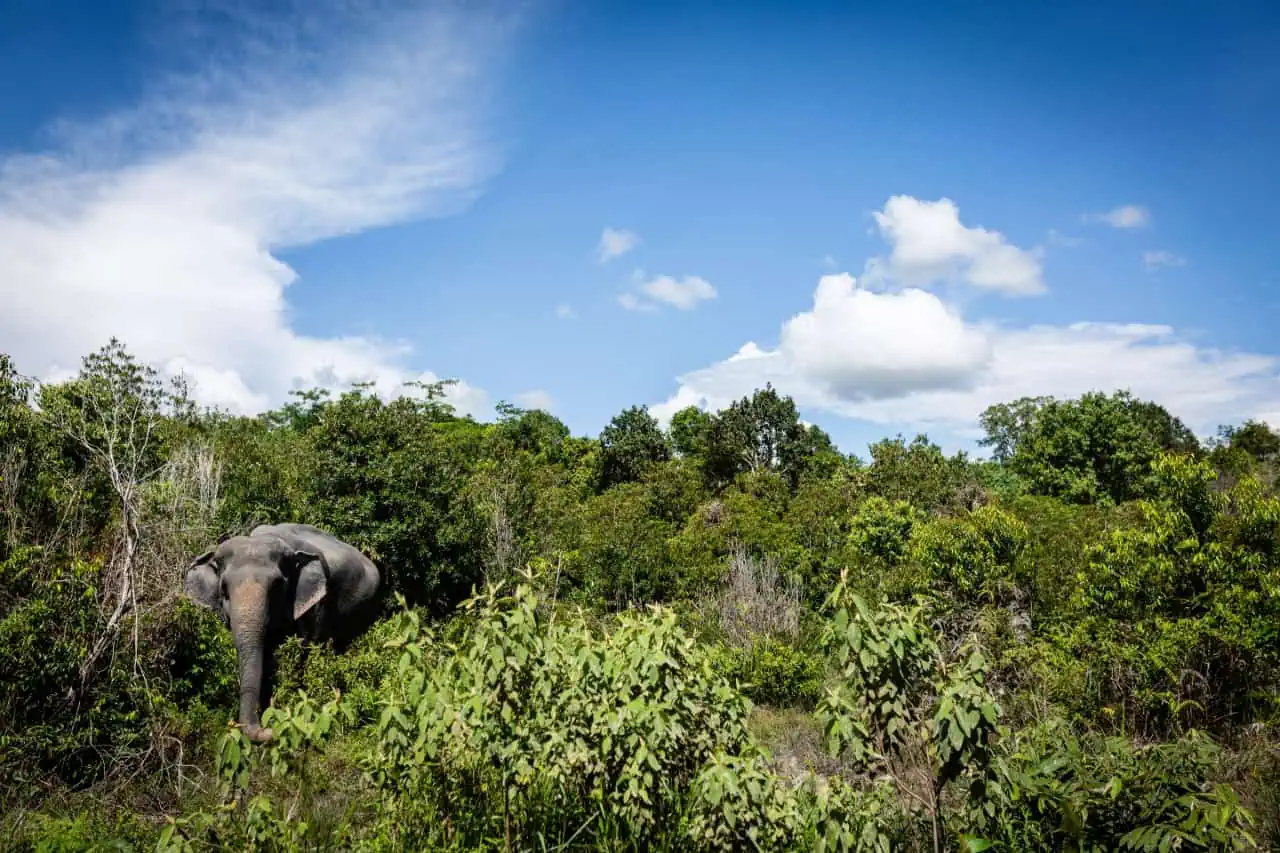
Anti-parasitic browsing
Certain plants consumed by elephants; including species of Terminalia and various tannin-rich barks, have documented anti-parasitic properties. Elephants seem to increase their intake of these plants during seasons when internal parasite loads are typically higher.
Wound treatment
There are field accounts of elephants applying mud or particular plant material to open wounds, though this remains an area where more research is needed. What is clear is that elephants show awareness of their own bodies and injuries in ways that suggest a degree of self-directed care.
Learned or Instinctive?
This is one of the more fascinating open questions in animal behaviour science. The evidence suggests that elephant pharmacognosy is probably both: some responses may be partly instinctive (the drive to seek salt or minerals when deficient), while others appear to be culturally transmitted, with younger elephants learning from elders which plants to seek out and when.
This has significant implications for elephant conservation. If a herd loses its older members; through poaching, culling, or habitat fragmentation, it may also lose the accumulated medicinal knowledge those individuals carried. The disruption isn’t just social or emotional; it can have direct health consequences for surviving animals.
What We See at Kulen Elephant Forest
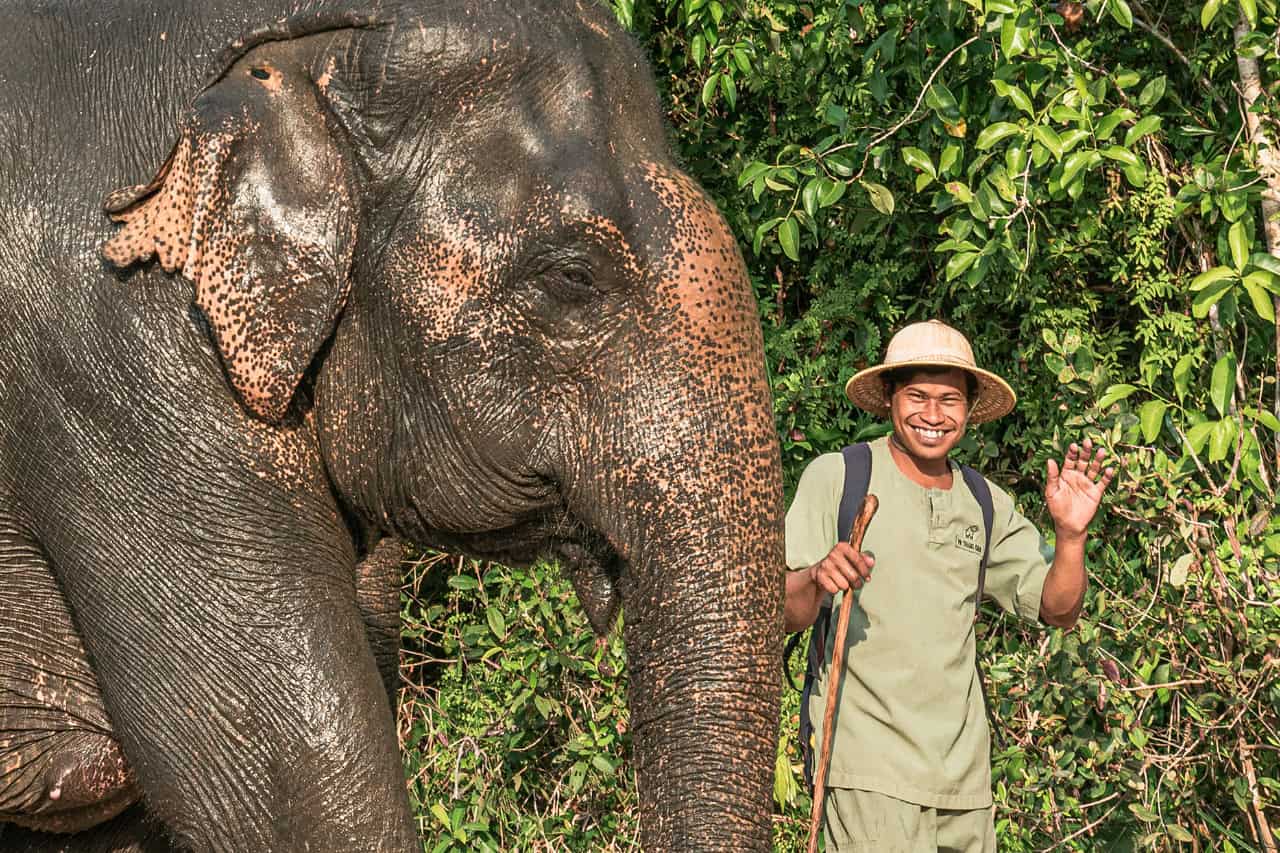
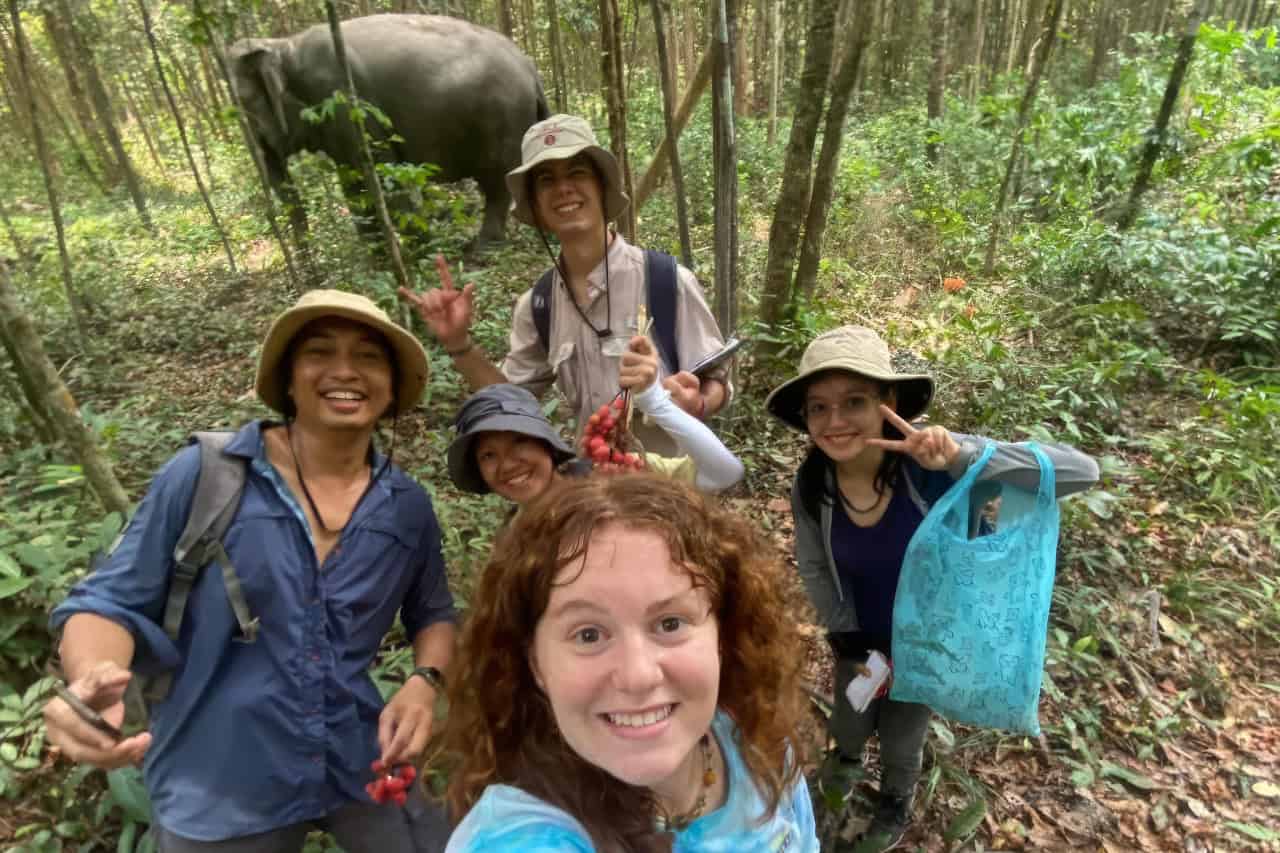
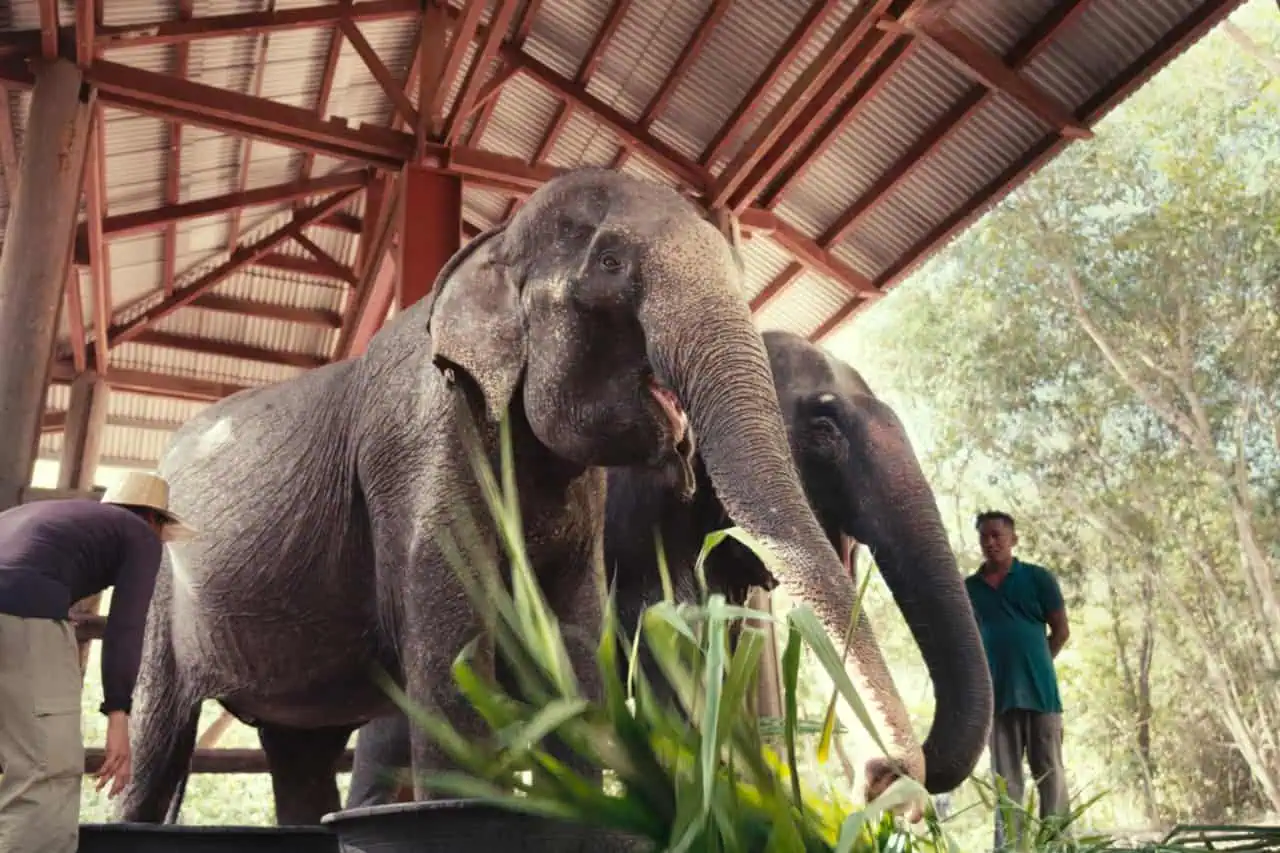
Our elephant care team pays close attention to the foraging choices of the elephants in our care; not just what they eat, but how they eat it, when, and in what quantities. Shifts in dietary preference can be early indicators of what an elephant needs, and experienced mahouts learn to read these signals over years of close relationship.
We also work to ensure our elephants have access to varied, naturalistic environments rather than uniform pasture, partly because that variety supports natural self-selection. An elephant who can browse through diverse vegetation has a far greater capacity to regulate her own health than one limited to a monoculture.
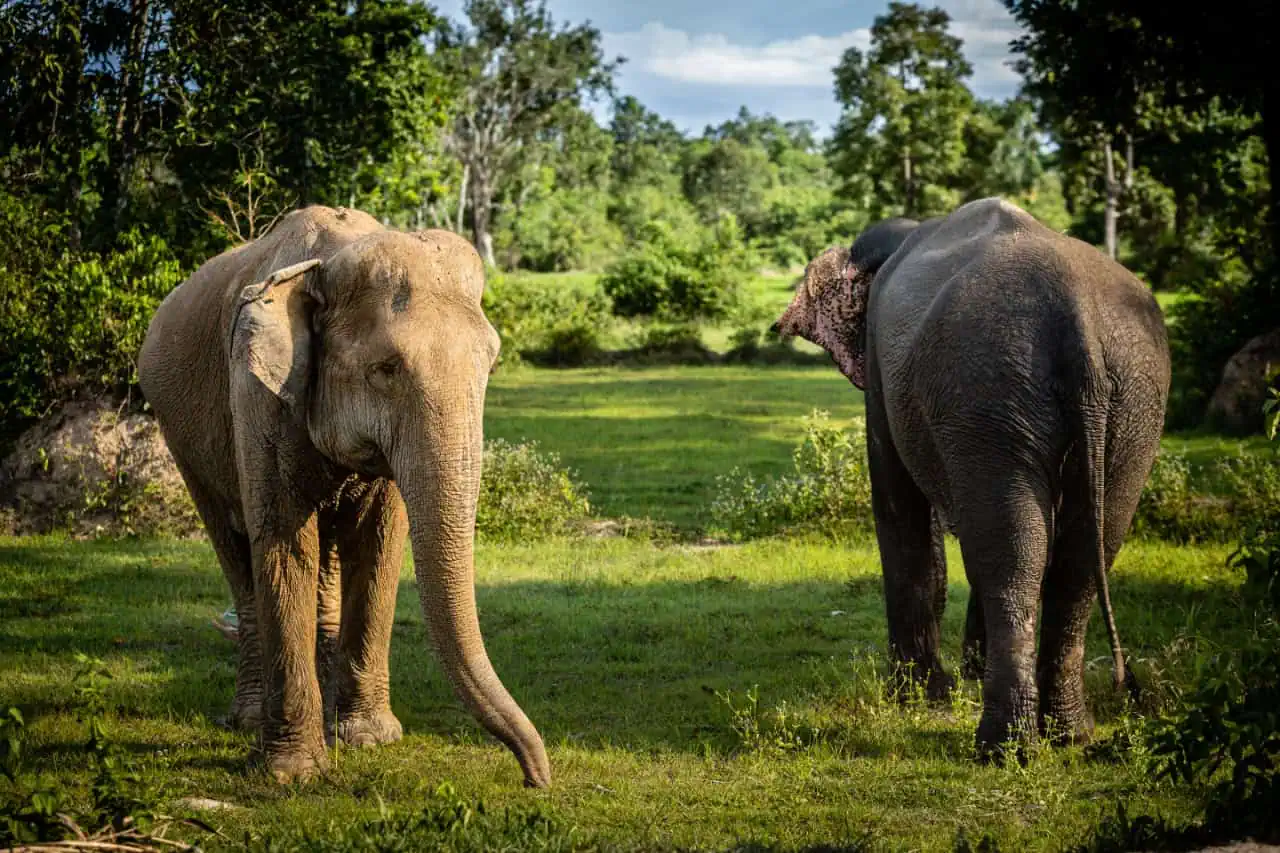
The Humility of It
There is something that gives pause in the recognition that elephants have been navigating medicinal plant use for far longer than our own species has been writing pharmacopoeias. Many of the plants used in traditional Southeast Asian and African medicine were likely identified, at least in part, by watching what sick animals sought out.
It’s a reminder that the natural world is not a backdrop to human intelligence: it is a vast, ongoing experiment in biology, and elephants are among its most experienced participants.
When you visit Kulen Elephant Forest and watch an elephant pause to strip a particular bark or investigate a patch of soil with that characteristic intense focus, you may be watching something much older and more intentional than it first appears.
Read more about elephant diets at Kulen Elephant Forest by clicking through to this study conducted by the School for Field Studies “Temporal and spatial variation in forage selection by semi-captive
Asian elephants Elephas maximus in lowland and highland areas of Cambodia” published in the “Cambodian Journal of Natural History”.
Kulen Elephant Forest is an ethical elephant sanctuary in Siem Reap, Cambodia. Our elephant care philosophy is rooted in respect for understanding elephant behaviour; including the behaviours science is still working to fully understand. Plan your visit here.